Curiosity Rover Reaches Pin-Striped Boundary in Gale Crater
Curiosity reached a geologic boundary in Gale Crater, entering older bedrock with “pin stripes.” These layers reveal ancient cycles of wet and dry conditions, crucial for understanding Mars’ climate h
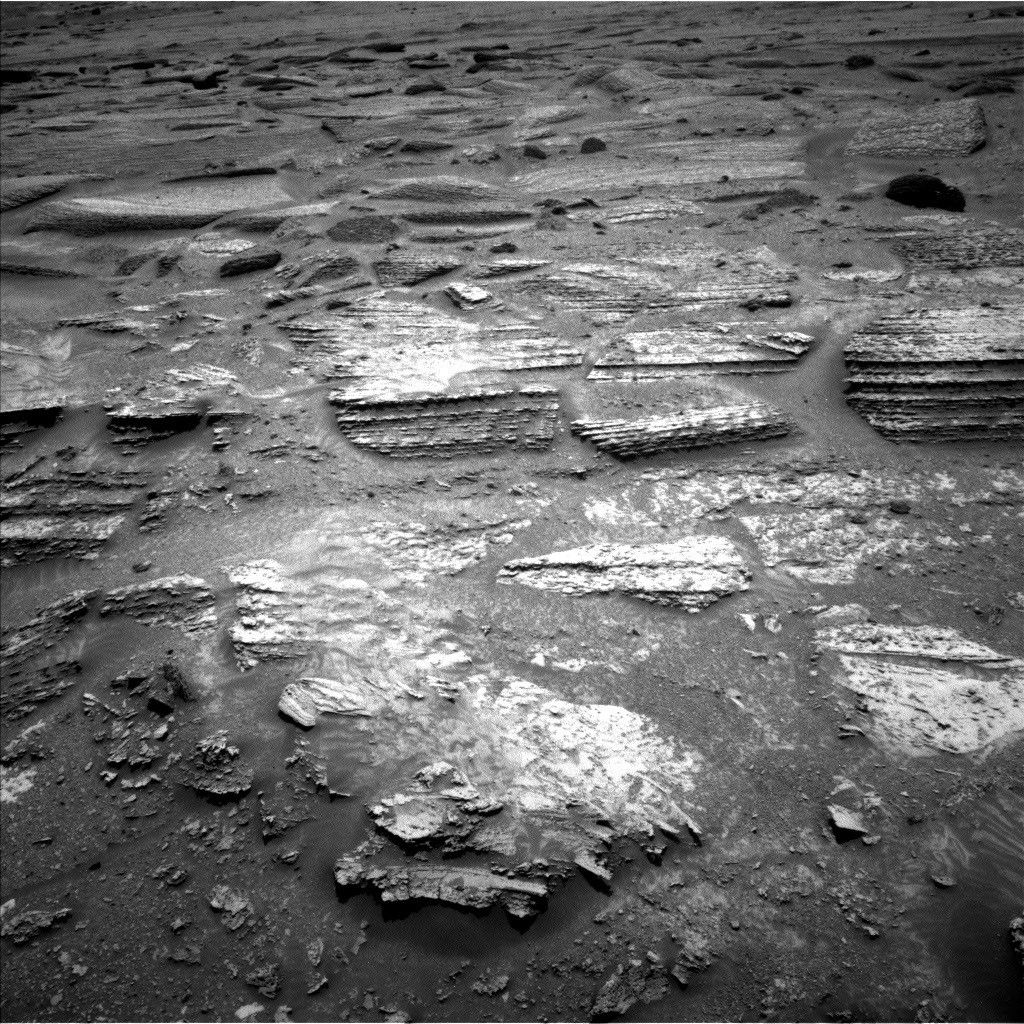
NASA’s Curiosity rover reached a critical geologic boundary on Mars during the week of July 2, 2026, marking a significant shift in the terrain it has
Read Full Story at NASA →Why This Matters
The discovery of "pin stripe" bedrock layers by Curiosity isn't just another geologic snapshot—it's a Rosetta Stone for decoding Mars' ancient climate cycles. These rhythmic patterns suggest Mars may have experienced Earth-like seasonal wet-dry periods billions of years ago, challenging the long-held narrative of a consistently arid Red Planet. Such findings could redefine our search for past habitable environments beyond Earth.
Background Context
Gale Crater, Curiosity's home since 2012, was once a dynamic lake system fed by rivers and groundwater. The rover's journey has traced a transition from lake sediments to sulfate-rich rocks, marking a shift from wetter to drier epochs. This latest boundary—where "pin stripes" appear—sits at the intersection of two critical Martian eras, bridging the planet's watery past with its modern barren landscape.
What Happens Next
With the rover now positioned to analyze these striped layers, expect detailed chemical and mineralogical data that could confirm whether these patterns resulted from seasonal evaporation or longer-term climate shifts. If these stripes mirror terrestrial varves, they might offer a timeline of Martian seasons. The next drilling campaign will be pivotal in distinguishing between glacial, lacustrine, or even aeolian origins for these features.
Bigger Picture
This discovery aligns with a growing body of evidence—from orbital data to Perseverance's findings—that Mars' climate was far more nuanced than once assumed. It also underscores the urgency of sample return missions, as Earth labs may soon provide definitive answers. As robotic explorers peel back layers of Martian history, each revelation reshapes our understanding of how rocky worlds evolve—and where to look for life's potential signatures.




