Elamite helmet with divine figures: A warrior king's 3,500-year-old bronze armor depicting a raptor and gold-plated gods
This bronze helmet has been decorated with ancient deities from a civilization that flourished before the Persian Empire took over the area that is now Iran.
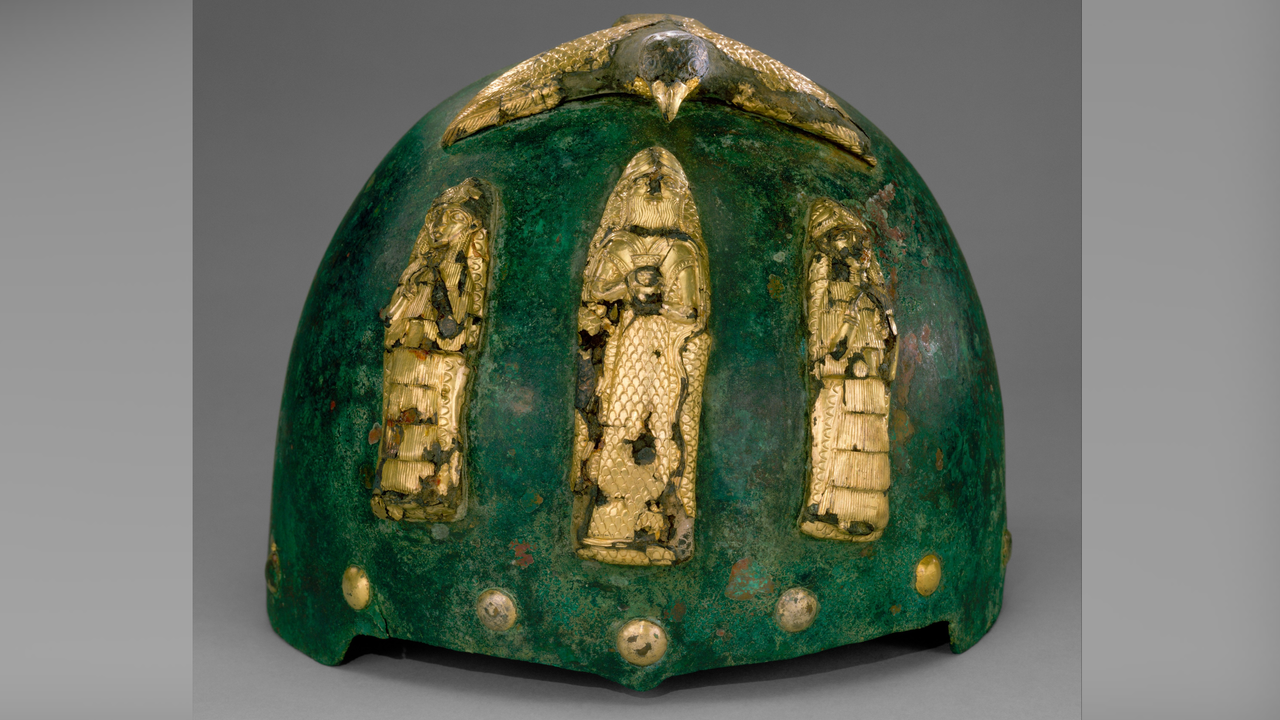
This bronze helmet has been decorated with ancient deities from a civilization that flourished before the Persian Empire took over the area that is no
Read Full Story at Live Science →Why This Matters
The discovery of this Elamite helmet transcends mere archaeological curiosity—it offers a rare window into the spiritual and martial world of one of the ancient Near East’s most influential yet understudied civilizations. The fusion of warrior culture with divine imagery suggests a society where leadership was not just political but divinely sanctioned, challenging modern assumptions about secularized power structures in early states.
Background Context
Long overshadowed by the later Assyrian and Persian empires, the Elamites dominated southwestern Iran from roughly 2700 BCE to 539 BCE, their influence peaking during the second millennium BCE. Their art often blended Mesopotamian motifs with local traditions, but this helmet’s precise iconography—featuring a raptor and gold-plated deities—hints at a syncretic religion where avian symbolism may have signified divine protection or royal authority.
What Happens Next
Further analysis of the helmet’s craftsmanship and provenance could reveal trade networks or artistic exchanges between the Elamites and their neighbors, such as the Hurrians or early Babylonians. If similar artifacts surface in hidden caches along the Zagros Mountains, it may force a reevaluation of the Elamites’ role as intermediaries in the transmission of Near Eastern metallurgical and religious traditions.
Bigger Picture
This helmet underscores a broader trend in Near Eastern archaeology: the gradual dismantling of Eurocentric narratives that prioritize Greek, Roman, and Egyptian histories. As new discoveries from lesser-known cultures like Elam resurface, they reshape our understanding of ancient statecraft, religion, and art as a tapestry of interconnected, rather than hierarchical, civilizations.