Europe takes step toward social media ban for kids
A new study shows that EU children spend up to six hours per day on platforms like TikTok and Instagram. Following a new report from experts showing worrying data, Europe is taking steps toward barri
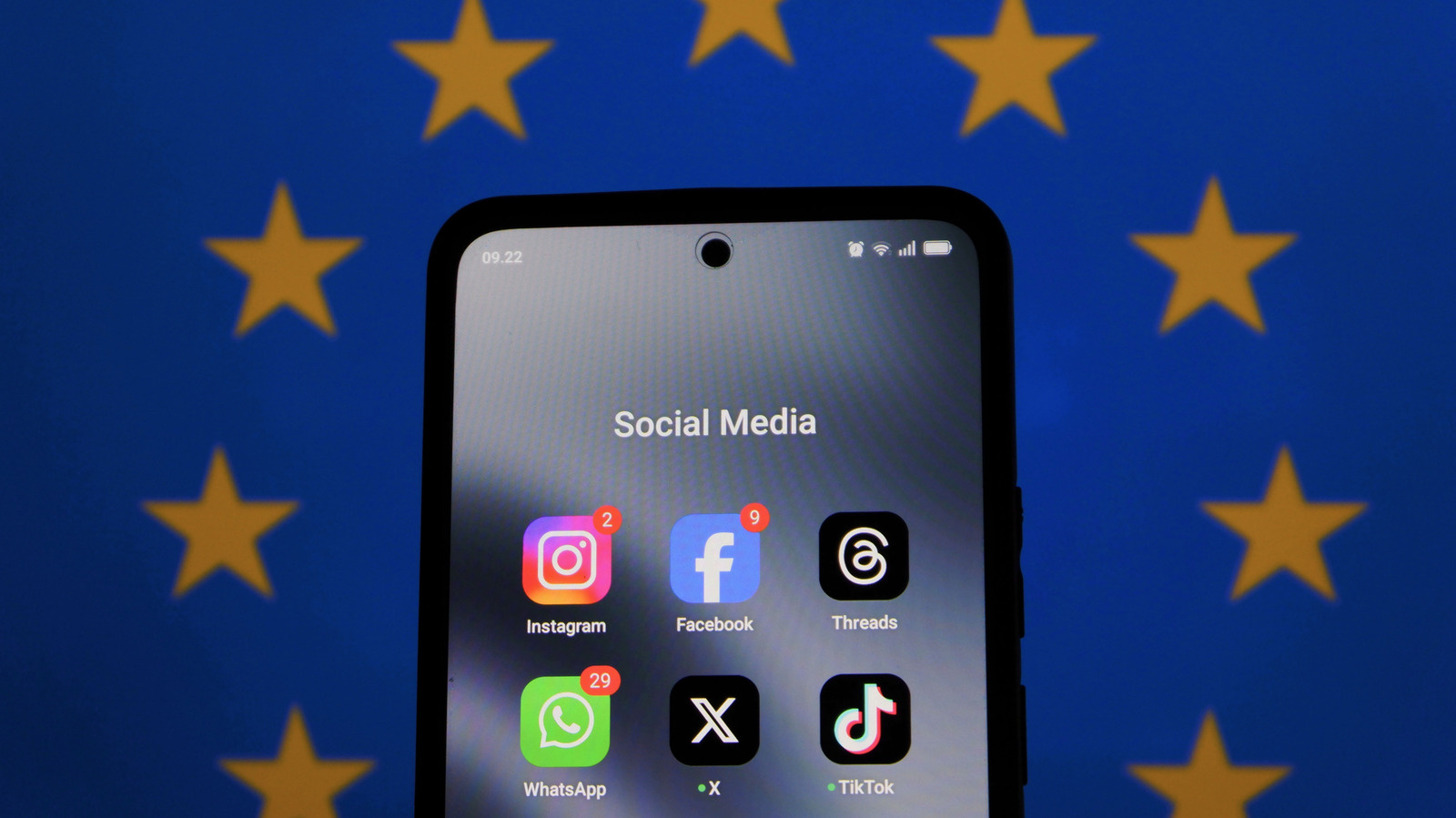
A new study shows that EU children spend up to six hours per day on platforms like TikTok and Instagram. Following a new report from experts showing
Read Full Story at Engadget →Why This Matters
The European Union's potential move to restrict social media access for children isn't just about screen time—it reflects a deeper reckoning with how digital platforms shape cognition, mental health, and societal norms. The six-hour daily average for EU youth on platforms like TikTok and Instagram underscores a generation growing up under algorithmic influence, raising questions about consent, exploitation, and the erosion of childhood boundaries in the digital age.
Background Context
Europe has long positioned itself as a global leader in digital regulation, from the GDPR to the Digital Services Act, but childhood protection has lagged behind. Unlike countries like China, which imposes strict time limits on youth screen time, the EU’s approach has historically relied on voluntary measures and parental controls. The new study signals a shift toward coercive policy, potentially setting a precedent for governments worldwide grappling with the unintended consequences of social media.
What Happens Next
If enacted, such bans could trigger legal challenges from tech giants and free-speech advocates, while forcing platforms to overhaul age-verification systems. Parents and educators will face the challenge of enforcing compliance, and the policy’s effectiveness will hinge on whether it addresses the root causes of youth engagement—addiction design, lack of alternatives, or cultural normalization of constant connectivity. The debate will likely intensify as more data emerges on mental health impacts.
Bigger Picture
This move aligns with a growing global backlash against Big Tech’s influence on young minds, from U.S. state-level bans to India’s restrictions on social media for minors. It also highlights a paradox: while digital spaces promise connectivity and opportunity, they increasingly demand structural safeguards to prevent harm. Europe’s approach could either pioneer a new era of child-centric tech policy or reveal the limits of regulation in an era of borderless platforms.