How to hide your spending habits from retailers (so you don't get ripped off)
Never miss a story or episode from Life Kit. Sign up for our weekly newsletter to get our journalism delivered directly to your inbox. Over the past decade, companies have changed the way they price…
Never miss a story or episode from Life Kit. Sign up for our weekly newsletter to get our journalism delivered directly to your inbox.
Over the past decade, companies have changed the way they price their products — and shoppers are getting deliberately overcharged.
Hotels are creating prices based on a customer's geo-location. Airlines are using browsing data to determine the cost of airfare. Grocery stores are using technology to test out how much they can charge customers.
"What we're seeing is Big Tech reinventing the rip-off," says Lindsay Owens , head of the consumer advocacy group Groundwork Collaborative. "These are old tricks, but they've been supercharged by new technologies."
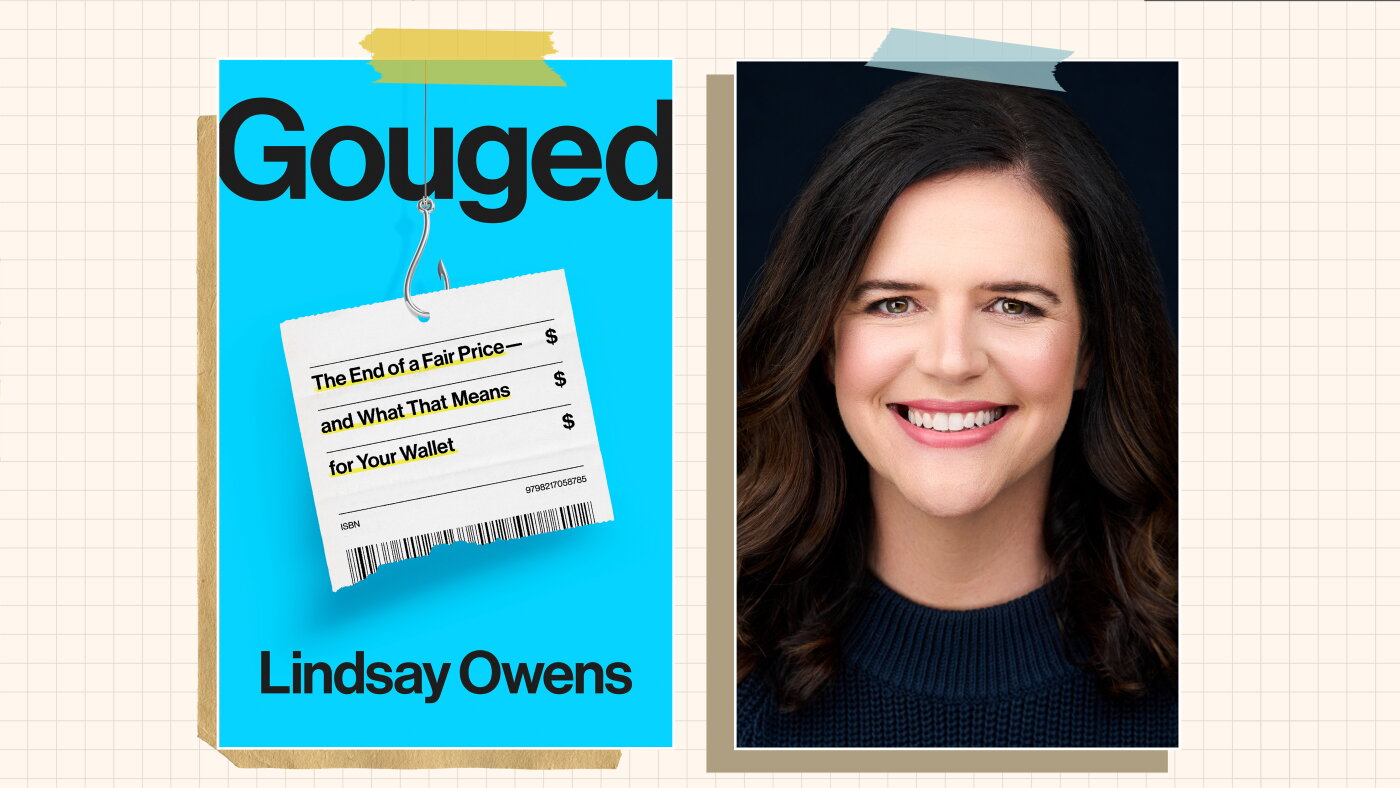
Owens, author of a new book published in September, Gouged: The End of a Fair Price — And What That Means for Your Wallet , uncovers pricing schemes that corporations try to hide, and shares advice on how to protect yourself from these tactics.
"The most egregious way is personalized pricing," says Owens. Retailers "collect data on you to better ascertain how much they can charge you." That includes browsing data, demographics and purchase history. They're also using algorithms to run pricing experiments on consumers.
Still, there are ways to get a fair deal. Owens explains how to cover up your trail so it's harder for retailers to watch you — and then sell you products at personalized prices. Maybe you don't use all these techniques for smaller purchases, like a pair of shoes, but for expensive flights or other travel, it might be worth it.
Some retailers offer perks and discounts to customers if they shop for items using their app or website. But the incentives are not worth it, Owens says.
Read Full Story at NPR News →