Jackdaw boss says UK faces winter gas shortages without field approval
The Jackdaw gas field could supply 6% of UK gas needs but faces approval delays; environmental groups argue it undermines climate goals. The UK’s limited gas storage (8 days) raises risks of winter sh
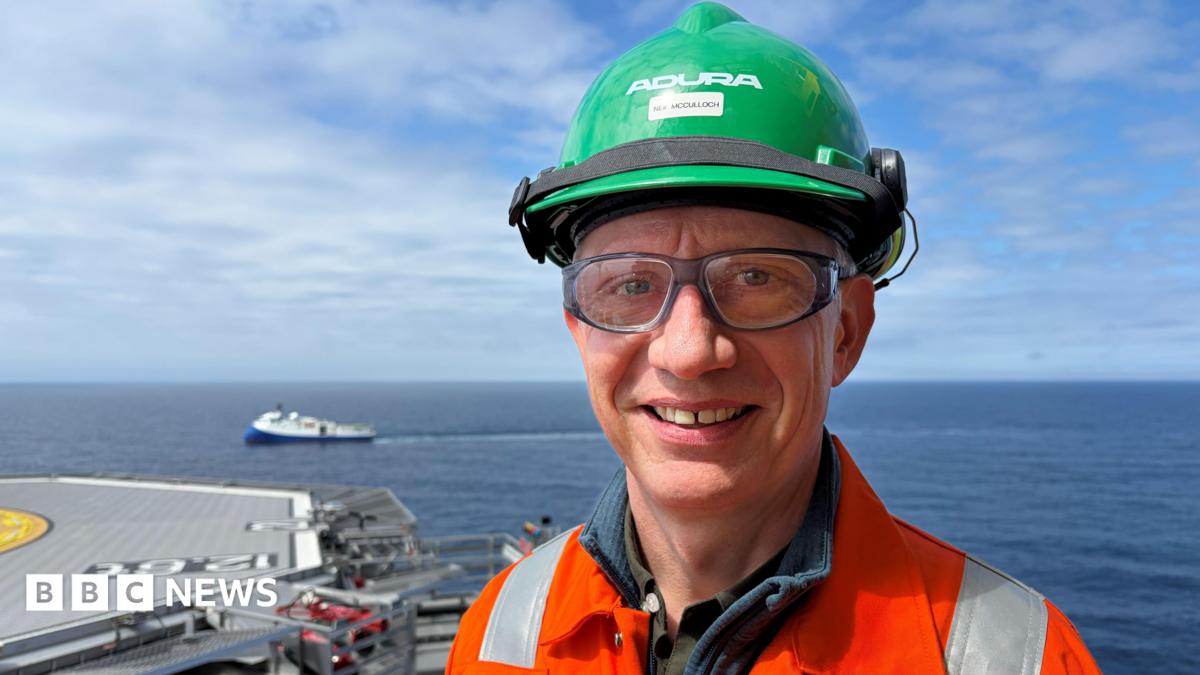
The boss of Jackdaw, a North Sea gas field 150 miles east of Aberdeen, has warned that the UK could face winter fuel shortages if the government does
Read Full Story at BBC Business →Why This Matters
The Jackdaw gas field dispute crystallizes a fundamental tension in the UK’s energy transition: balancing immediate energy security with long-term climate commitments. With domestic gas production declining and storage capacity critically low, the decision could determine whether households face another winter of volatile prices—or whether the country accelerates its reliance on imported liquified natural gas, which carries its own geopolitical risks.
Background Context
The North Sea’s Jackdaw field, discovered in 2007, has lingered in regulatory limbo for years despite its potential to offset declining production from aging fields like Brent. The UK’s gas storage infrastructure, built for a different era, now holds just 8 days’ worth of supply, leaving the grid vulnerable to disruptions—whether from strikes in Norway or cold snaps in Europe. Meanwhile, environmental groups argue that approving new fossil fuel projects contradicts the government’s legally binding net-zero targets, creating a legal minefield for policymakers.
What Happens Next
The Energy Security Secretary’s imminent decision could trigger a political domino effect: if rejected, energy firms may prioritize smaller, quicker-to-develop fields, delaying the 6% supply boost. If approved, expect legal challenges from climate campaigners and potential delays as North Sea infrastructure struggles to meet modern efficiency standards. Either way, the outcome will signal whether the UK is doubling down on hydrocarbons or edging toward a more diversified energy mix.
Bigger Picture
Jackdaw’s saga reflects a global pattern where energy security concerns are colliding with climate imperatives. Countries from Germany to Japan are wrestling with the same dilemma, often postponing tough choices until supply shocks force action. The UK’s predicament underscores how decades of underinvestment in storage and renewables have left the economy exposed—raising doubts about whether net-zero can coexist with affordable power in the near term.







