Justice Department subpoenas New York Times reporters over Air Force One reporting
The New York Times says federal agents showed up at several of its journalists' homes Friday night to try to force them to testify before a grand jury next week. Michael M. Santiago/Getty Images hide
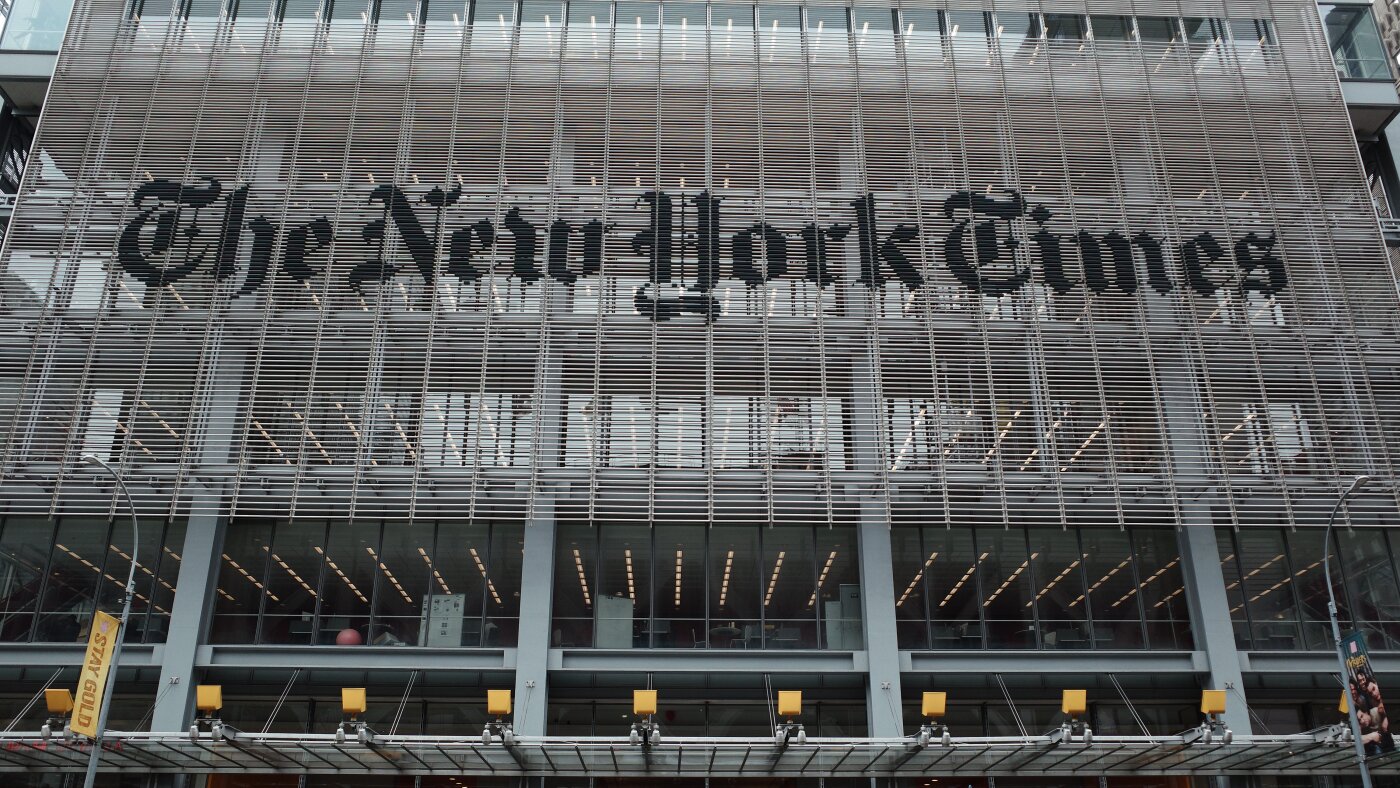
The New York Times says federal agents showed up at several of its journalists' homes Friday night to try to force them to testify before a grand jury
Read Full Story at NPR News →Why This Matters
This escalation in the Justice Department’s pursuit of journalists’ testimony underscores a growing pattern of aggressive legal tactics to suppress critical reporting on government operations. The subpoenas targeting *The New York Times* not only threaten press freedom but also signal a willingness by federal authorities to weaponize grand jury investigations against the media when leaks or unflattering coverage are involved.
Background Context
The Trump-era DOJ set a precedent for targeting reporters, including seizing phone records of *The Washington Post* and *CNN* in 2020. While Biden’s administration pledged to protect press freedoms, this latest move suggests a hardening stance—particularly when national security narratives or executive branch communications are at stake. The timing, with subpoenas issued at journalists’ homes late Friday, mirrors intimidation tactics seen in authoritarian regimes.
What Happens Next
The journalists will likely challenge the subpoenas on First Amendment grounds, setting up a legal battle that could clarify—or further muddy—the boundaries between national security leaks and public interest reporting. Meanwhile, media organizations may accelerate calls for legislative shields, but Congress has shown little appetite for reform. The grand jury’s decision to indict or subpoena could also reveal whether this is a targeted strike or part of a broader campaign.
Bigger Picture
This incident fits a decade-long erosion of legal protections for journalists, where prosecutors increasingly treat the press as adversarial rather than a watchdog. With governments worldwide tightening control over information flows, the U.S. risks normalizing these tactics domestically, eroding public trust in institutions and media alike. The outcome may determine whether the Fourth Estate remains a check on power—or becomes another casualty of it.