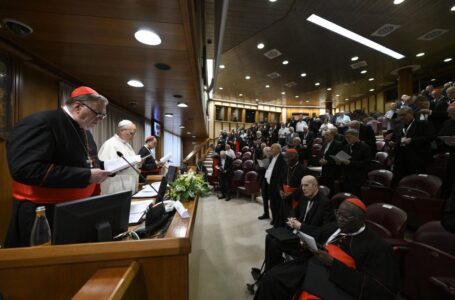
SSPX consecrations force Vatican to address liturgical divides
SSPX’s unauthorized bishop consecrations force the Vatican to address deep liturgical divides. This crisis creates a rare opportunity for structural reconciliation, potentially ending decades of canon
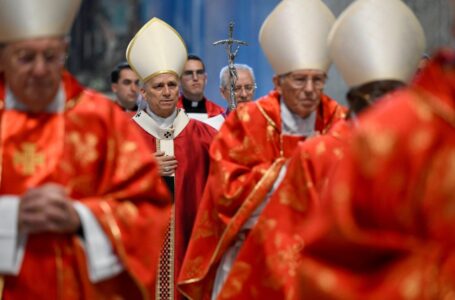
The Society of St. Pius X (SSPX) has proceeded with the clandestine consecration of four new bishops, a move that many observers initially viewed as a
Read Full Story at Crux Now →Why This Matters
The unauthorized consecrations by the Society of Saint Pius X (SSPX) have thrust the Vatican into uncharted territory, forcing a reckoning with the unresolved tensions that have simmered in traditionalist Catholic circles for generations. More than just a disciplinary challenge, this crisis exposes the fragility of liturgical unity in a Church already fractured by ideological and cultural divides, making it a pivotal moment for Pope Francis or his successor to either deepen schism or broker a durable peace.
Background Context
The SSPX, founded in 1970 in opposition to the liturgical reforms of Vatican II, has operated in a state of canonical limbo for decades, its bishops ordained without Vatican approval. The Vatican’s reluctance to fully integrate the group—despite occasional concessions like limited sacramental privileges—reflects broader anxieties about legitimizing traditionalist dissent while maintaining ecclesial discipline, a tension that predates the current pontificate.
What Happens Next
The Vatican’s response will likely hinge on whether it prioritizes doctrinal control or pastoral accommodation, with potential outcomes ranging from full canonical regularization to a de facto truce that avoids formal reconciliation. Observers should watch for signals from Rome on whether it will enforce strict canonical penalties or pursue a more flexible, case-by-case approach that could set a precedent for other traditionalist groups.
Bigger Picture
This episode reflects a growing trend in global Catholicism: the persistent challenge of reconciling doctrinal rigor with institutional authority in an era of declining ecclesial unity. As traditionalist movements gain traction, the Church’s ability to navigate these tensions without fracturing further may determine its credibility in an increasingly pluralistic religious landscape.