Offshore Oil and Gas Rush Threatens Whale Corridors and Coral Reefs
From coral reefs in Kenya to Caribbean seagrass meadows and whale migration corridors in the Arctic, a surge in offshore oil, gas and liquefied natural gas development is spreading into some of the wo
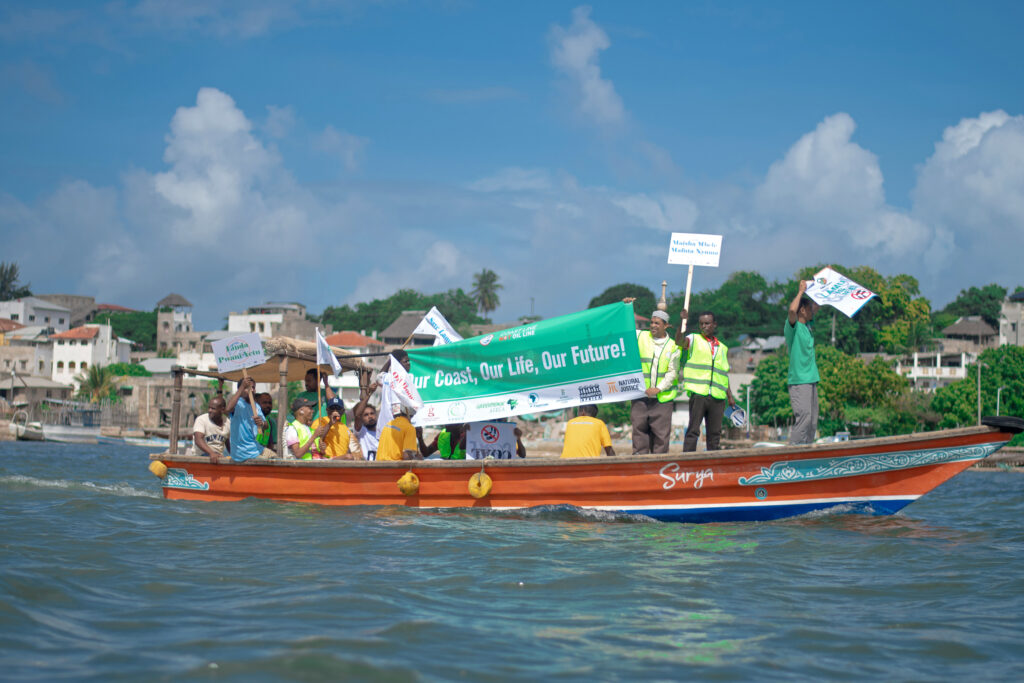
From coral reefs in Kenya to Caribbean seagrass meadows and whale migration corridors in the Arctic, a surge in offshore oil, gas and liquefied natura
Read Full Story at Inside Climate News →Why This Matters
The global rush toward offshore fossil fuel extraction is not just an environmental crisis—it’s a reckless gamble with Earth’s last intact marine ecosystems. These deep-sea drilling projects and LNG terminals threaten the very corridors that sustain endangered whale populations and the biodiversity that underpins coastal economies from East Africa to the Arctic. The stakes transcend conservation; they challenge the world’s ability to meet climate commitments without sacrificing irreplaceable natural capital.
Background Context
Offshore fossil fuel expansion has accelerated in recent years despite declining onshore reserves, with companies pivoting to deeper waters where regulations are often weaker and enforcement patchy. In Kenya, proposed drilling near coral reefs follows decades of failed promises by oil firms to balance extraction with marine protection. Meanwhile, Arctic nations are opening once-frozen waters to gas projects, ignoring warnings from scientists that ice-free regions now double as critical whale feeding grounds—territories carved by evolution over millennia.
What Happens Next
Expect legal battles to intensify as conservation groups challenge permits in courts, while governments caught between energy security and ecological collapse will face mounting pressure to enforce moratoria. The real test lies in whether international bodies like the International Maritime Organization can impose binding safeguards before irreversible damage occurs. Meanwhile, local communities dependent on reefs and whale migrations will either organize resistance or see their livelihoods erode under the weight of industrialization.
Bigger Picture
This isn’t an isolated wave of exploitation—it’s the frontline of a global pattern where climate action stalls while resource extraction pushes into ever more fragile ecosystems. The push for "transition fuels" like LNG is accelerating habitat destruction under the guise of sustainability, revealing a paradox where short-term energy needs are prioritized over long-term planetary stability. The outcome will determine whether humanity’s final frontier—our oceans—becomes a sacrifice zone or a model for responsible stewardship.