Ondo adds onchain voting to tokenized stocks
Ondo Finance added onchain voting to tokenized stocks, granting holders direct corporate governance rights. This bridges crypto liquidity with traditional ownership, marking a shift from pure speculat
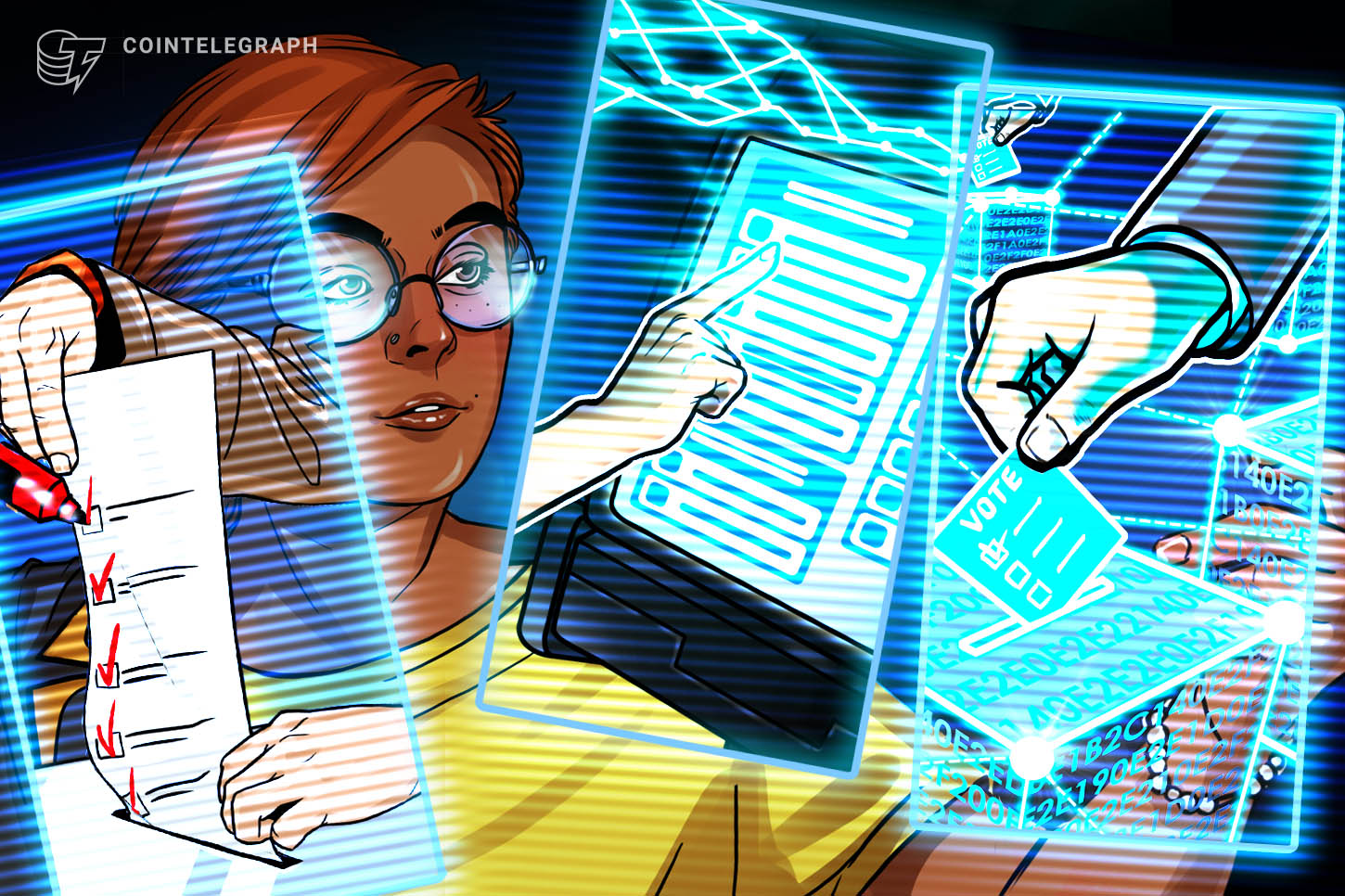
Ondo Finance has officially expanded its tokenized equity offering by integrating onchain shareholder voting rights, marking a significant shift in ho
Read Full Story at CoinTelegraph →Why This Matters
Tokenized equities with onchain governance represent a fundamental shift in how corporate voting rights intersect with blockchain technology. By enabling direct, immutable shareholder participation, Ondo Finance is challenging the traditional proxy voting system, which often sidelines retail investors. This innovation could redefine ownership structures in publicly traded companies by making governance more transparent and accessible.
Background Context
Tokenized stocks have existed in crypto since platforms like tZERO and Synthetix introduced them years ago, but they’ve largely been speculative tools without real corporate engagement. Traditional corporate voting, meanwhile, remains plagued by inefficiencies, with institutional investors dominating proceedings and retail shareholders often excluded from meaningful participation. The SEC’s cautious approach to crypto securities has also stifled progress in this space until now.
What Happens Next
Regulatory scrutiny will intensify as tokenized equities gain traction, particularly around compliance with securities laws and voting integrity. Brokerages and custodians may resist this shift to protect their voting control, leading to potential legal battles over shareholder rights. If successful, Ondo’s model could pressure other tokenization platforms to adopt similar governance features, accelerating mainstream adoption.
Bigger Picture
This move aligns with a broader trend of decentralized finance (DeFi) encroaching on traditional financial infrastructure, blurring the lines between crypto and legacy markets. As tokenized assets mature, governance mechanisms will become a key battleground for investor rights, potentially reshaping how corporations operate in a digital-first economy. Long-term, it could herald a new era where blockchain isn’t just a trading tool but a core component of corporate democracy.


