Poland orders Swedish submarines to bulk up navy
Poland and Sweden on Monday signed a €4.2 billion ($4.8 billion) arms deal at a ceremony in the Polish seaport of Gdynia on the Baltic Sea . In the deal, Poland 's State Treasury Armaments Agency orde
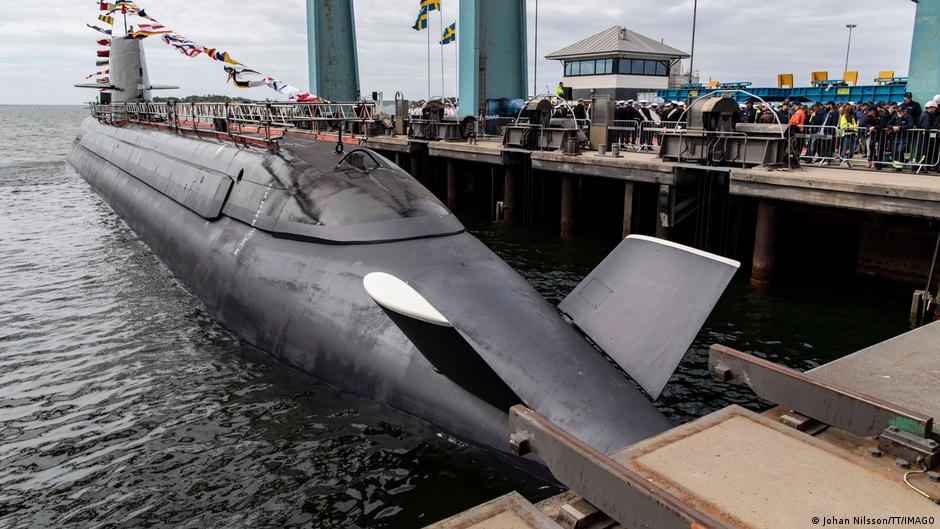
Poland and Sweden on Monday signed a €4.2 billion ($4.8 billion) arms deal at a ceremony in the Polish seaport of Gdynia on the Baltic Sea . In the de
Read Full Story at DW World →Why This Matters
This deal marks Poland’s most aggressive naval modernization in decades, signaling a strategic pivot in the Baltic Sea as NATO’s eastern flank braces for long-term Russian threats. Beyond the immediate boost to Poland’s submarine fleet, the agreement underscores Sweden’s growing role as a defense exporter in Northern Europe, reshaping regional security dynamics while testing NATO’s collective deterrence posture.
Background Context
The procurement comes amid a broader Polish military buildup, with Warsaw allocating over 4% of its GDP to defense—a reaction to Russia’s invasion of Ukraine and concerns over Kaliningrad’s remilitarization. Sweden, though not a NATO member until 2024, has deepened defense ties with Poland since 2022, leveraging its submarine expertise (including A26-class designs) to counterbalance regional threats.
What Happens Next
Delivery timelines for the submarines—expected to include advanced stealth and missile capabilities—will likely stretch over a decade, creating a gap in Poland’s naval deterrence until at least the mid-2030s. Observers will watch for how NATO allies respond, particularly Germany and Denmark, whose Baltic Sea security interests could be affected by Sweden’s expanded export role.
Bigger Picture
This deal reflects a broader trend of European states prioritizing naval investments to secure critical sea lanes and deter hybrid warfare, from sabotage to cyber threats. It also highlights the Baltic Sea’s transformation into a high-stakes arena for great-power competition, where smaller states like Sweden and Poland are becoming pivotal players in NATO’s evolving collective defense strategy.







