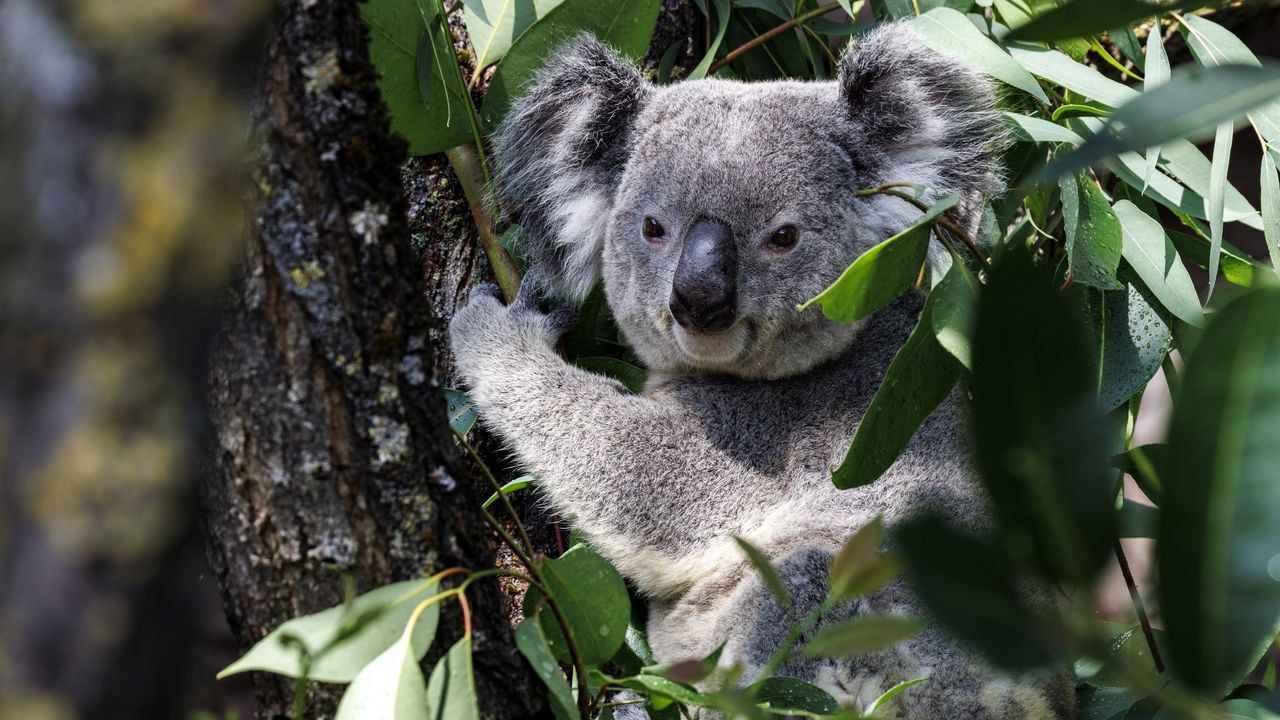
Scientists are deep-freezing koala eggs and sperm to protect the species from extinction
Researchers at the University of Queensland in Australia want to freeze koala sex cells in liquid nitrogen, which could preserve the DNA for decades until we need it, an expert said.
Researchers at the University of Queensland in Australia want to freeze koala sex cells in liquid nitrogen, which could preserve the DNA for decades u
Read Full Story at Live Science →Why This Matters
The preservation of koala genetic material isn't just about saving a single species—it's a litmus test for conservation strategies in an era of accelerating biodiversity loss. By mastering the cryopreservation of gametes, scientists are laying the groundwork for a future where endangered species can be rebuilt from frozen archives, potentially reversing decades of habitat destruction and disease-driven declines.
Background Context
Koala populations have plummeted by over 50% in some regions due to bushfires, urban sprawl, and chlamydia outbreaks, pushing conservationists to explore radical solutions. The University of Queensland's initiative builds on decades of animal reproductive technology, including successful programs for species like the black-footed ferret, but faces unique challenges due to the koala's specialized diet and slow reproductive cycles.
What Happens Next
If successful, this method could enable "genetic rescue" programs where frozen material is used to reintroduce diversity into dwindling populations, though ethical debates over artificial selection may arise. Long-term funding and infrastructure will determine whether this becomes a scalable model or remains a niche experiment, with broader implications for Australia's wildlife recovery plans.
Bigger Picture
This effort reflects a growing trend toward "de-extinction" and genetic conservation, where biotechnology intersects with ecological crisis response. As climate change intensifies habitat pressures, such frozen gene banks may soon be as critical as national parks—shifting conservation from preserving ecosystems to preserving their biological blueprints.