Scientists discover a hidden heart valve risk linked to gum disease
Researchers found that bacteria linked to gum disease may help drive the development of calcific aortic valve stenosis by triggering inflammation and calcium buildup in the heart valve. The early find
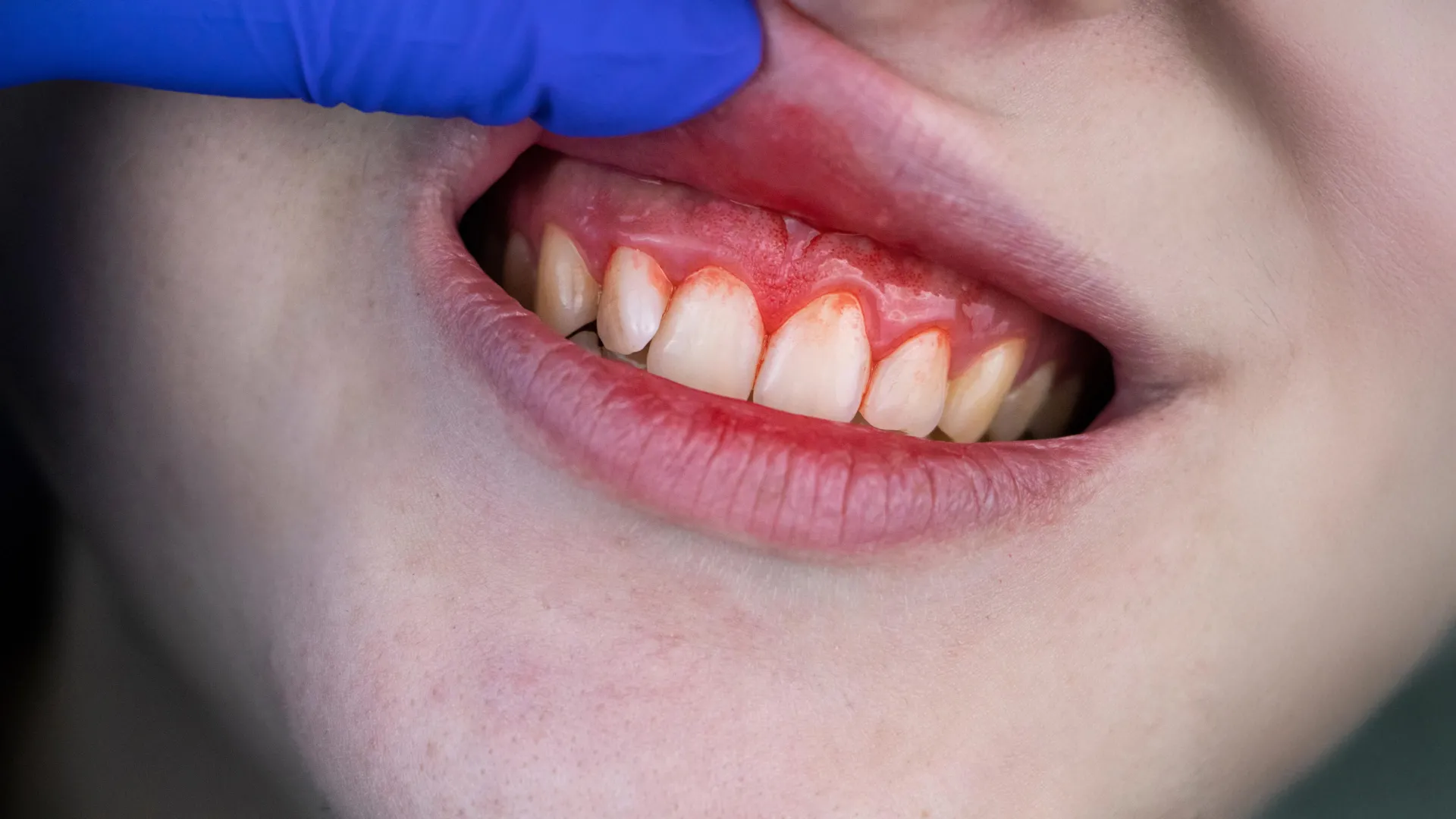
Researchers found that bacteria linked to gum disease may help drive the development of calcific aortic valve stenosis by triggering inflammation and
Read Full Story at ScienceDaily →Why This Matters
This discovery could redefine preventive cardiology by linking oral health to one of the most common—and deadly—valve diseases. If validated, it may shift treatment paradigms toward integrating dental hygiene into heart disease prevention, potentially saving lives long before symptoms appear.
Background Context
For decades, clinicians have treated gum disease and calcific aortic stenosis as unrelated conditions, despite both involving chronic inflammation. Recent advances in microbiome research now suggest that oral pathogens like *Porphyromonas gingivalis* may act as silent catalysts, accelerating valve calcification in ways previously overlooked.
What Happens Next
Expect targeted clinical trials to test whether antibiotics or anti-inflammatory therapies can slow valve degeneration in high-risk patients. Regulatory agencies may also revisit guidelines for dental care in cardiovascular risk stratification, while pharmaceutical companies race to develop novel treatments inspired by these findings.
Bigger Picture
This research underscores a growing recognition of the human microbiome’s role in systemic disease, echoing discoveries in gut-heart-brain connections. It also highlights the urgent need for interdisciplinary collaboration, as oral health may soon become a cornerstone of holistic medical care.




