Magnetic bacteria extend worm lifespan by 43%
Feeding *C. elegans* magnetic bacteria reduced iron-induced cell death, extending their lifespan by 43%. This suggests microbiome-based therapies could eventually treat human neurodegenerative and gu…
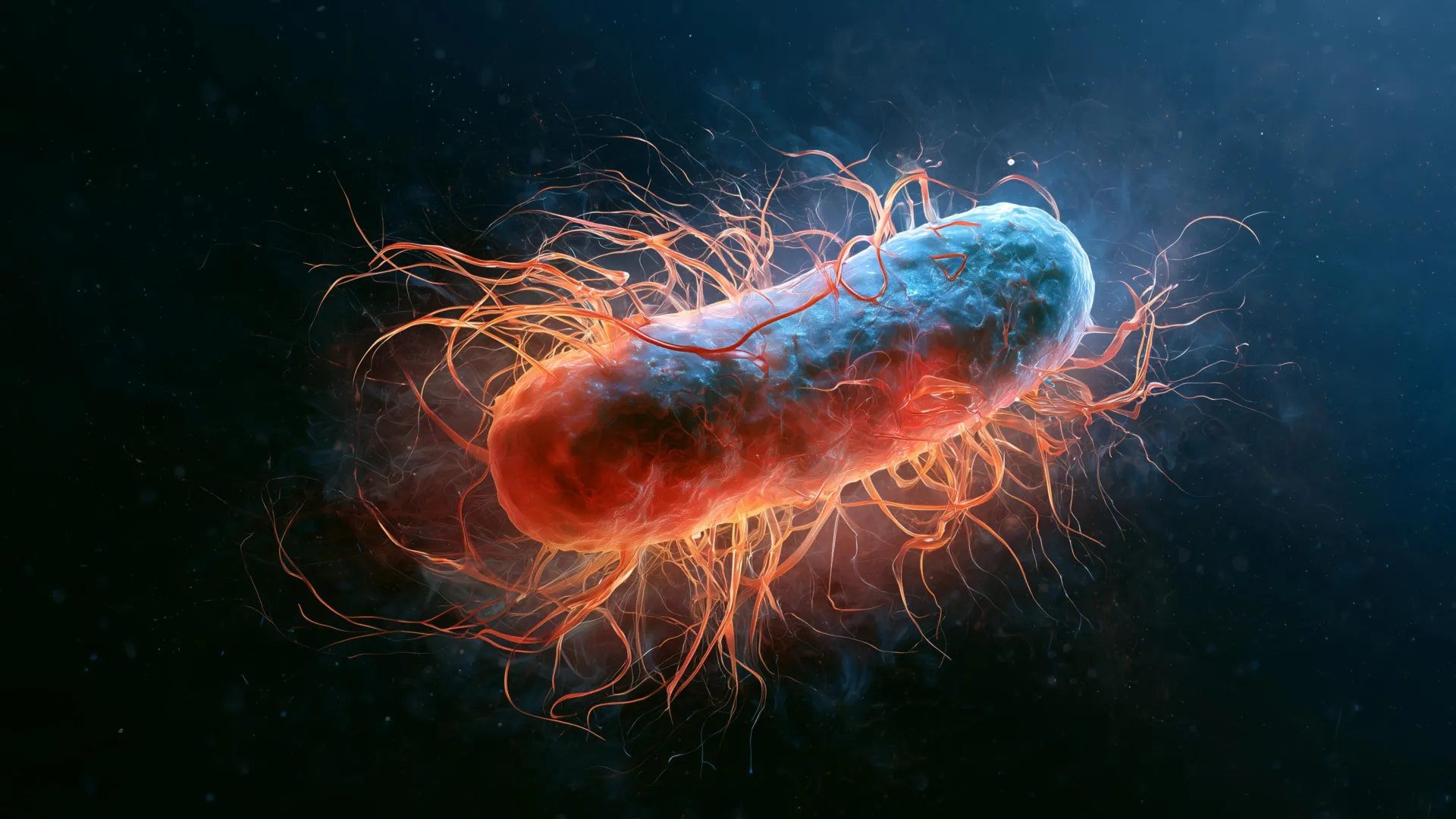
Scientists gave the tiny worm *Caenorhabditis elegans* a magnetic bacterium that boosted its life expectancy by more than 43 %. The bacteria, which naturally produce magnetite, were fed to the worms in a lab study published in *ScienceDaily*. The worms lived longer and showed fewer signs of neurological and intestinal decline.
The research taps into a long‑standing effort to understand how iron and oxidative damage drive aging. *C. elegans* is a favorite model because its biology is simple yet shares many genes with humans. In this experiment, the magnet‑producing bacteria lowered the worms’ iron load and reduced a specific type of cell death called ferroptosis. That death pathway is known to damage cells in the brain and gut, so the worms kept those tissues healthier for longer.
The study builds on earlier work that linked iron accumulation to age‑related diseases. By showing that a living, magnetic microbe can curb iron‑induced damage, the researchers suggest a new way to target the same process in mammals. The next step will be to test the bacteria in higher organisms, such as mice, to see if the same life‑span and tissue‑health benefits appear. If so, it could open a path toward microbiome‑based therapies for neurodegenerative and gut disorders linked to iron and oxidative stress.
The findings also raise questions about safety and delivery. Future experiments will need to confirm that the bacteria do not trigger harmful immune reactions and that they can be controlled in a living host. Still, the work shows that manipulating the microbiome with engineered microbes could become a powerful tool for extending healthy life in the future.
Read Full Story at ScienceDaily →