Smart Thermostats Will Soon Come to the Rescue During Heatwaves
In the near future, the Chicago-area electricity grid will meet demand during a heatwave by remotely turning up thermostats by a degree or two in households that choose to participate. This adjustment
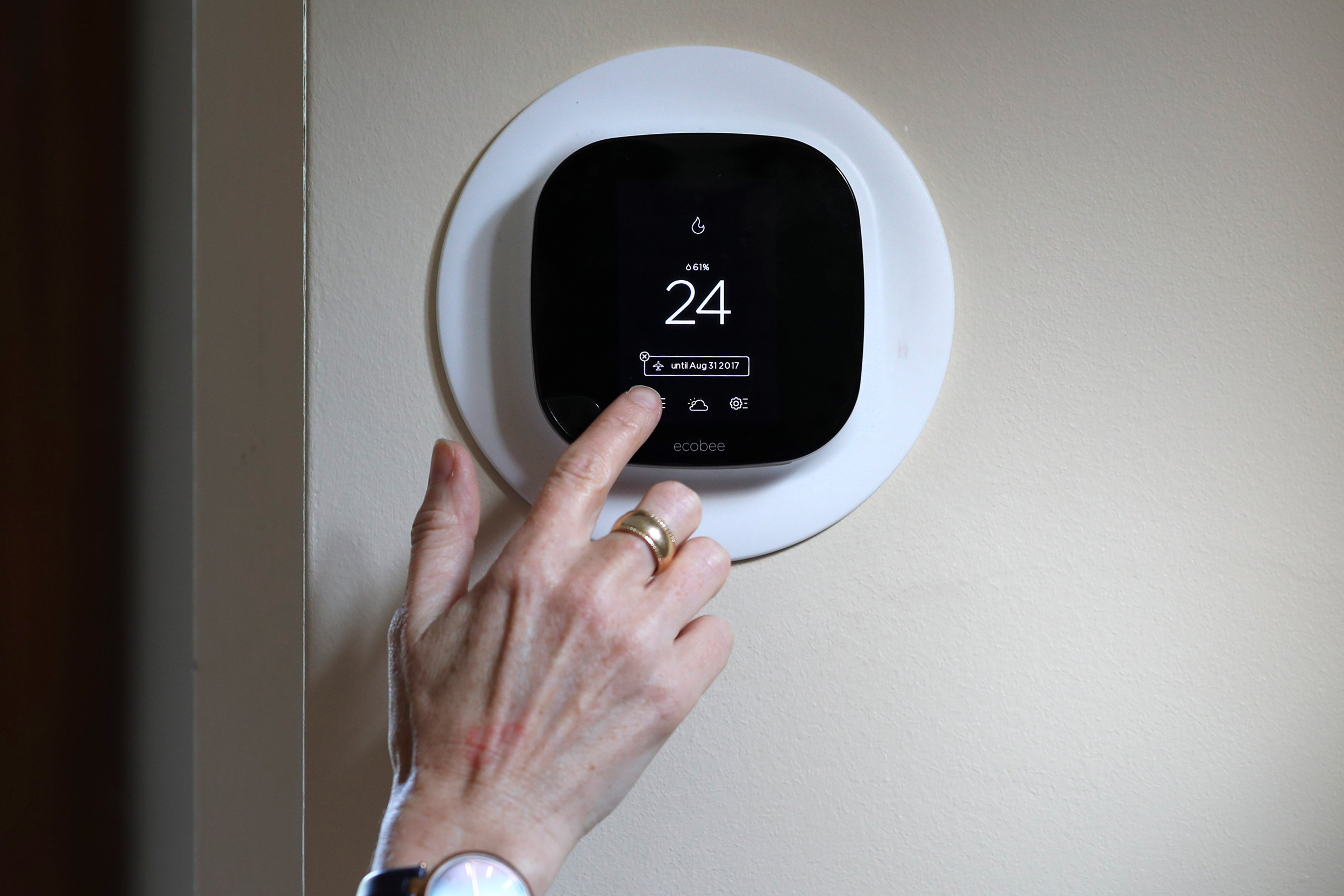
In the near future, the Chicago-area electricity grid will meet demand during a heatwave by remotely turning up thermostats by a degree or two in hous
Read Full Story at Inside Climate News →Why This Matters
The integration of smart thermostats into grid management signals a shift toward digital infrastructure as a first line of defense against climate-driven energy crises. By leveraging consumer technology rather than building costly new power plants, this approach could redefine how cities balance demand peaks without sacrificing comfort—or public health. It also tests the limits of voluntary participation in energy-saving measures, raising questions about how much control consumers are willing to cede to utilities in an era of extreme weather.
Background Context
Smart thermostats have long been marketed as tools for energy efficiency, but their role in grid resilience is a newer innovation, accelerated by the strain of record heatwaves on aging power systems. Utilities in other regions, like California and Texas, have experimented with remote adjustments during emergencies, but Chicago’s initiative stands out for its scale and the density of its urban heat island effect. The program also arrives as state regulators debate whether to treat thermostat-based demand response as a permanent resource rather than a stopgap measure.
What Happens Next
If successful, the Chicago pilot could expand regionally, prompting other utilities to adopt similar systems—but not without pushback from consumer advocates wary of automated energy rationing. Regulators may need to clarify liability rules in case of equipment malfunctions or disputes over temperature adjustments. Longer-term, this model could pave the way for even more invasive interventions, such as automated water heater or EV charger adjustments, testing the public’s tolerance for algorithmic control of daily life.
Bigger Picture
The move reflects a broader trend of treating household devices as grid assets, aligning with the rise of "prosumers" who both consume and generate power. As climate change intensifies heatwaves, such solutions may become essential, but they also risk deepening the divide between those who can afford opt-out technologies and those who cannot. Ultimately, the experiment will reveal whether smart infrastructure can bridge the gap between individual convenience and collective resilience—or if it will exacerbate the inequities of the energy transition.