U.S. and Iran hold separate meetings in Qatar and agree to continue discussions
A group of people stands in shallow water as a cargo ship appears anchored in the Strait of Hormuz off Bandar Abbas, Iran, Tuesday, June 30, 2026. Amirhosein Khorgooi/ISNA via AP hide caption DUBAI, U
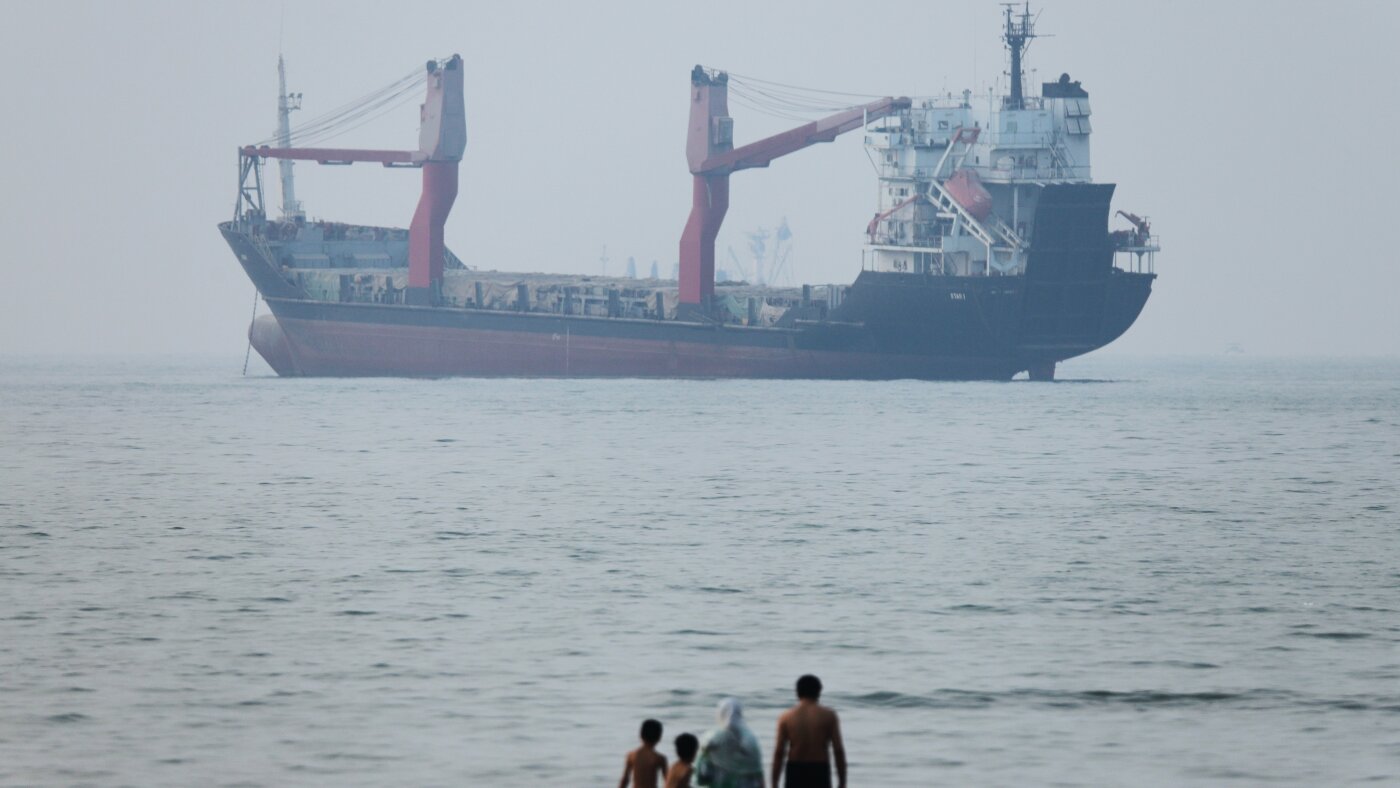
A group of people stands in shallow water as a cargo ship appears anchored in the Strait of Hormuz off Bandar Abbas, Iran, Tuesday, June 30, 2026. Ami
Read Full Story at NPR News →Why This Matters
Direct talks between the U.S. and Iran, even if held separately in Qatar, signal a fragile but necessary channel for crisis management amid escalating tensions in the Persian Gulf. The meetings underscore how regional security risks—from maritime chokepoints to proxy conflicts—are compelling both sides to engage despite deep mistrust, with global energy markets watching closely for signs of de-escalation.
Background Context
The Strait of Hormuz remains a flashpoint where nearly a fifth of the world’s oil passes, making any confrontation between Iran-backed forces and Western naval patrols a potential trigger for global supply shocks. Diplomatic backchannels in Doha have become a recurring lifeline since the 2023 indirect talks collapsed, reflecting how smaller Gulf states now mediate even when formal negotiations stall.
What Happens Next
If these discussions yield concrete commitments—such as easing sanctions in exchange for reduced Iranian uranium enrichment—they could pave the way for broader regional talks. Yet the absence of a unified negotiating framework risks leaving any progress fragile, with hardliners in both Tehran and Washington likely to test the limits of any tentative agreement.
Bigger Picture
The meetings in Qatar highlight a broader shift where secondary Gulf states, like Qatar and Oman, are increasingly shaping Middle East diplomacy as traditional mediators (e.g., Europe, Turkey) struggle to bridge divides. It also reflects how energy security and nuclear proliferation risks are becoming inseparable in U.S.-Iran relations, forcing reluctant stakeholders into indirect engagement.







