What Happens When Extreme Weather Becomes a Cycle You Can’t Escape
An aggressive downpour over the weekend in the eastern areas around Tennessee’s Great Smoky Mountains triggered severe flooding and multiple mudslides across the region. The watery assault hit particu
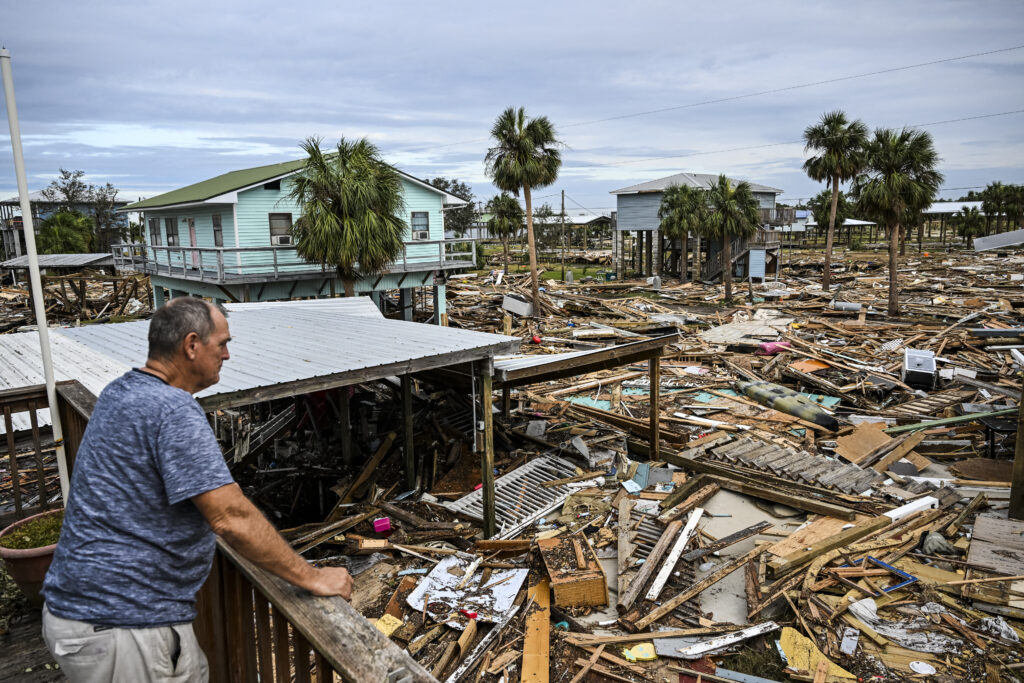
An aggressive downpour over the weekend in the eastern areas around Tennessee’s Great Smoky Mountains triggered severe flooding and multiple mudslides
Read Full Story at Inside Climate News →Why This Matters
The weekend’s deluge in Tennessee’s Great Smoky Mountains isn’t an isolated incident—it’s a stark reminder that climate change is reshaping disaster cycles, turning once-predictable weather into relentless, compounding threats. For communities already grappling with aging infrastructure and limited resources, repeated exposure to extreme flooding tests the limits of resilience, exposing systemic gaps in preparedness and recovery.
Background Context
Tennessee’s mountainous regions are particularly vulnerable due to their steep terrain, which accelerates runoff and destabilizes slopes during heavy rainfall. Decades of deforestation and unchecked development along floodplains have compounded the risks, while federal disaster funding often lags behind the pace of recurring crises, leaving local governments scrambling for solutions.
What Happens Next
As recovery efforts begin, attention will turn to whether state and federal aid will arrive swiftly enough to prevent further erosion of public trust in emergency response systems. Meanwhile, insurers may re-evaluate coverage in high-risk zones, potentially pricing out homeowners who can least afford to relocate. The bigger question looms: Will this event force a reckoning with long-term adaptation strategies, or will it be another footnote in a cycle of reactive governance?
Bigger Picture
This disaster reflects a national pattern where extreme weather is no longer an exception but a recurring condition in vulnerable regions, from Appalachia to the Gulf Coast. The financial and human toll risks outpacing local capacity, pushing communities toward either radical adaptation—like managed retreat—or prolonged vulnerability as climate thresholds continue to shift.