Woman's hip replacement disintegrates, causing severe metal poisoning
Doctors find grey fluid and dead, metallic flesh inside poisoned woman's hip.
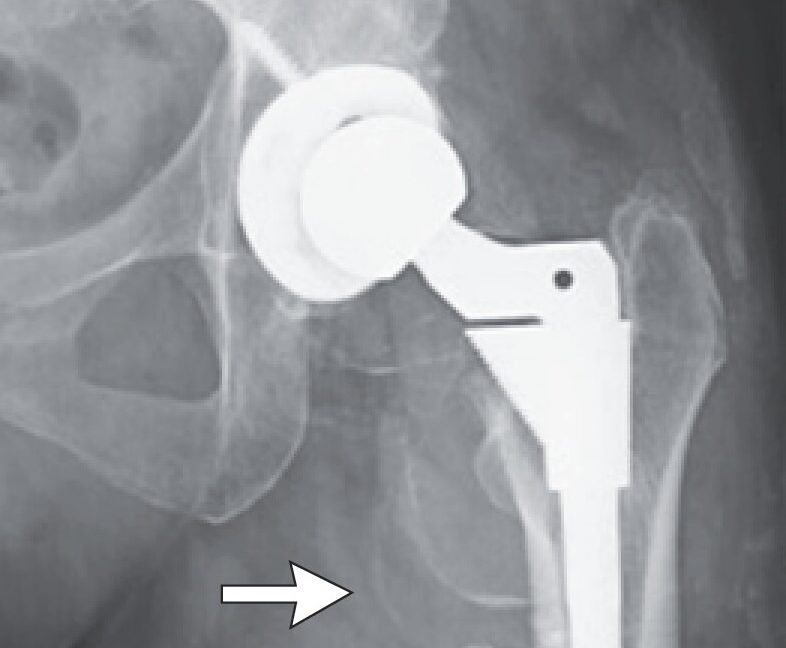
Doctors find grey fluid and dead, metallic flesh inside poisoned woman's hip.
Read Full Story at Ars Technica →Why This Matters
The disintegration of a hip replacement—leading to severe metal poisoning—exposes a hidden crisis in medical device reliability. While joint replacements are among the most common and seemingly routine surgeries, this case underscores how failures in materials science, regulation, or surgical technique can have catastrophic, irreversible consequences. It challenges the assumption that FDA-approved implants are inherently safe, especially as aging populations increasingly rely on such interventions.
Background Context
Hip replacements have evolved dramatically since the 1960s, when the first modern prosthetics were introduced. Early designs often failed due to poor materials or design flaws, but improvements in metallurgy and joint interfaces reduced complications. However, the rise of modular implants—designed for easier assembly and customization—has reintroduced risks, as seen in recalls of devices with loose or corrosive components that shed metallic debris into the body.
What Happens Next
This case is likely to intensify scrutiny of post-market surveillance systems for medical devices, particularly how adverse events are reported and investigated. Patients with similar implants may now push for broader recalls or diagnostic screenings, while hospitals could face liability if surgical protocols are found deficient. Long-term, regulators may tighten rules on material longevity and device tracking, though industry pushback is probable given the financial stakes.
Bigger Picture
This incident reflects a growing tension between innovation and safety in medical technology, where rapid advancements often outpace long-term testing. It also highlights systemic vulnerabilities in healthcare oversight, where device approvals prioritize short-term efficacy over decades of real-world wear. As more patients live longer with artificial joints, the frequency of such failures—and the stakes of failure—are only set to rise.






